Summer’s Abundance
Ruth Ann Stites, Staff Writer
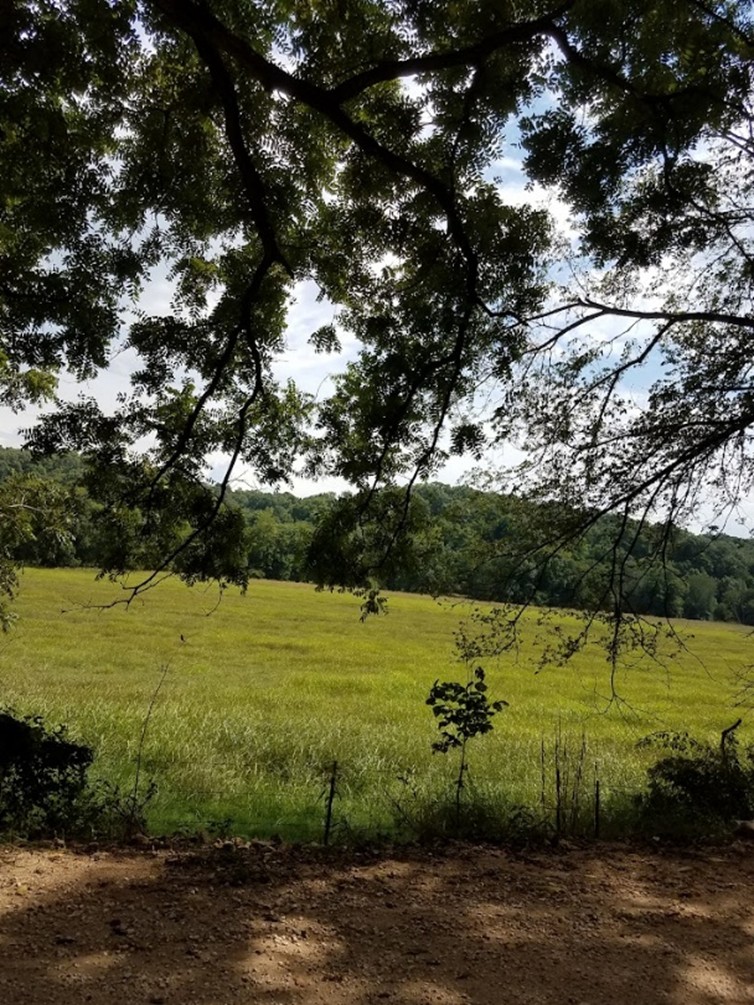 One of the pleasures of the season of the summer solstice is a drive through the verdant countryside with the light of early evening making the newly cut hay golden. If you drive down a country road with your windows open, you will smell the green scent of newly mown grass along with the richer scent of curing hay. It reminds me of the opening lines from James Russell Lowell’s poem “What Is So Rare As A Day In June.”
And what is so rare as a day in June?
Then, if ever, come perfect days;
Then Heaven tries earth if it be in tune,
And over it softly her warm ear lays;
Such a day is full of abundance and promise of more. The farmers are busy literally “making hay while the sun shines.” While haying is hard and time-consuming work, it is also necessary and rewarding. Livestock will have food for the long winter to come. Farmer’s businesses will thrive because they have reaped a harvest. But such results only come into being because the work is getting done as part of the farmer’s lifestyle and ethos. But there always seems to be a shortage of hands needed to complete the task, even with modern technology. The farmers I know best put everyone they can to work during haying season.
What is true of the farmer’s harvest is also true of a spiritual harvest. In Matthew 9:35-38 we find a lesson in harvesting we should take to heart.
Jesus went through all the towns and villages, teaching in their synagogues, proclaiming the good news of the kingdom and healing every disease and sickness. When he saw the crowds, he had compassion on them, because they were harassed and helpless, like sheep without a shepherd. Then he said to his disciples, “The harvest is plentiful but the workers are few. Ask the Lord of the harvest, therefore, to send out workers into his harvest field.”
Usually, we use this passage as a call to evangelism. But look more closely at what our Lord was about when He gave His disciples this command. He was going about His earthly business and as He went, He was teaching (giving instruction and Biblical insight), “proclaiming the good news of the kingdom” (probably closest to what we would think of as evangelism today), healing the sick (in His case, performing miracles), and having “compassion on them” for their hopeless and helpless state (His compassion is more than just feeling sorry for the people He saw, but includes sympathy and concern for them, empathy with their distress, desire to help or relieve pain, and is action-oriented rather than a maudlin sentimentality). Jesus’ ministry was larger and more complex than our rather limiting term “evangelism.” He immersed Himself in the needs of those around Him not just in one form of telling the great good news. Everything He did was mission oriented including going into the desert to escape the crowds and pray (as in Luke 5:15-16). As imitators of the Master, Cross Disciples should seek to saturate every part of their lives with the mission the Lord has given them, not just be good evangelizers according to the dictates of their church or denomination.
In conclusion, He observes that the task is huge (“the harvest is plentiful”) and more hands are required to get all the work done (“the workers are few”). Then He tells them to “Ask the Lord of the harvest” for more workers. Note He didn’t tell His disciples to get busy and do the entire job themselves, rather He instructs them to ask for help! How often do we read this passage as an inditement of our own level of commitment rather than the key to doing the impossible through asking for help? In light of Jesus’ instruction, maybe we should spend more time praying for the Lord of the harvest for help than finding another outreach program to support with our time and treasure so we can feel satisfied that we’ve done our part.
(Photo credit: RA Stites, rural NW Arkansas)