The Power of Belief
Ruth Ann Stites, Staff Writer
Many years ago I hiked the Lost Valley Trail near Boxley on the Buffalo National River deep in the Ozark Mountains. As I followed the trail, I thought how many lessons one could teach about spiritual things from objects found and sights seen on my hike. The power of metaphor, turning simple things in to symbols, was all around me. Jesus knew the power of symbolism to help us understand the abstract through the concrete, everydayness of things like lost coins, lost sheep, and lost sons (Luke 15). He also used the common things of this life to help us grasp who He was and why He had come to be Immanuel, God with us.
In the Gospel of John Jesus makes several “I Am” statements. He called Himself “bread” (6:35, 41, 48, 51), “light” (8:12; 9:5), “the gate” (10:7, 9), “the good shepherd” (10:11, 14), and “the true vine” (15:1, 5) as well as others. These five “I Am’s” are concrete things.[1] The people in His day would have been intimately acquainted with all of them. And, while modern American life may limit our close acquaintance with the more agricultural ones, we are not unfamiliar with shepherding or winemaking.
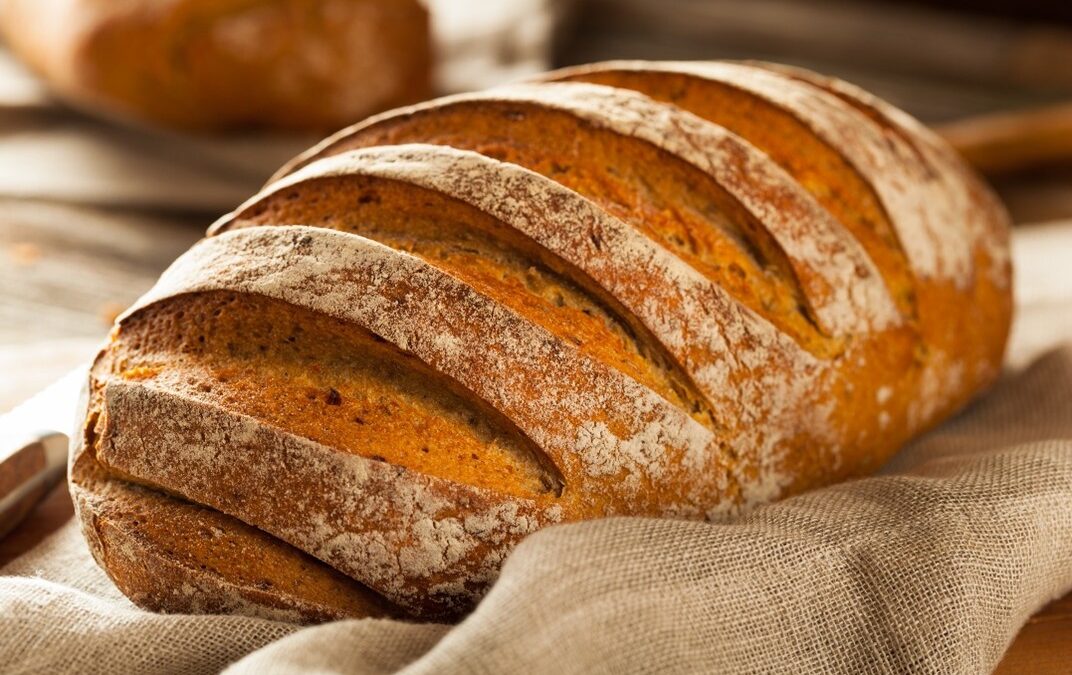
So, let’s look little closer at one of these common symbols Jesus uses to help us understand who He is and how it can guide us in prayer. Jesus said, “I am the bread of life. Whoever comes to me will never go hungry…” (John 6:35). Bread was one of humanity’s earliest uses of grain as people became farmers rather than hunters and gathers. It was so foundational to civilized life that it became synonymous with eating a meal. Bread allowed populations to grow as it, and the grain it was made from, was easily stored. Civilizations rose around a humble loaf of bread. It also became a political tool. Remember the Roman policy of providing, thus controlling, the populous with bread and circuses or the English Corn Laws (1815-1846) that created high prices for English landowners’ crops and equally high prices for the citizens of the nation who had to buy bread made from the expensive grain.
Here Jesus says He is the staple food that will give us life so that we never go hungry. He continues, “For my Father’s will is that everyone who looks to the Son and believes in him shall have eternal life, and I will raise them up at the last day” (John 6:40). This is bread not for the sustenance of bodily life but of spiritual, everlasting life. In this world we must earn our daily bread by our work, the effort needed to provide for our livelihood. But, in God’s economy, all we have to do is come. It is He who nourished the Israelites in the desert with manna and He now offers eternal nourishment in His Son.
Jesus spoke of prayer in the Sermon on the Mount. When we pray Jesus told us to ask the Father for “our daily bread” (Matt. 6:11). In a physical sense, we are to ask Him for the things we need to live. But, in a spiritual sense it reminds us that we are to come to Him and never go hungry. Earlier in the Sermon on the Mount He said, “Blessed are those who hunger and thirst for righteousness, for they will be filled” (Matt. 5:6). If we wish to be filled, then ask and seek Him who is the Bread of Life for He promises He will eternally satisfy you.
Reflection Questions:
- Since Jesus used so many ordinary things to illustrate spiritual truth, are there ordinary things you have encountered that you have connected to spiritual lessons? If so, what are some that are meaningful to you?
- Have you ever contemplated the importance of bread in a physical sense? How about its importance in a spiritual sense? Do you feel well-fed on spiritual bread?
- Sometimes we start to think that the little things in life are too inconsequential to pray about. Does Jesus’s model prayer including a request for the simple necessity of bread change your viewpoint on what God considers inconsequential? Does the concept of praying for bread deepen you understanding of the kind of intimacy with God He desires to have with you (that He wants to sustain your life both physically and spiritually)?
(Photo description and credit: Bread comes in many forms. But, from the manna in the desert to the modern bakery loaf, it has sustained God’s people both physically and spiritually for millennia. Stock image from Microsoft.)
[1] I found inspiration for this essay from the following article: How Can We Understand Jesus’ I Am Sayings With Our Senses? – The Good Book Blog – Biola University.