Thirsting for God (Psalm 63)
Michael Floyd, Editor
O God, you are my God; earnestly I seek you;
    my soul thirsts for you;
my flesh faints for you,
    as in a dry and weary land where there is no water.
So I have looked upon you in the sanctuary,
    beholding your power and glory.
Because your steadfast love is better than life,
    my lips will praise you.
So I will bless you as long as I live;
    in your name I will lift up my hands.
My soul will be satisfied as with fat and rich food,
    and my mouth will praise you with joyful lips,
when I remember you upon my bed,
    and meditate on you in the watches of the night;
for you have been my help,
    and in the shadow of your wings I will sing for joy.
My soul clings to you;
    your right hand upholds me.
But those who seek to destroy my life
    shall go down into the depths of the earth;
they shall be given over to the power of the sword;
    they shall be a portion for jackals.
But the king shall rejoice in God;
    all who swear by him shall exult,
    for the mouths of liars will be stopped.-- Psalm 63
Have you ever been truly thirsty? Not just wanting a drink, but experiencing that deep physical craving where your mouth feels like cotton and your body aches for water? David wrote Psalm 63 from the wilderness of Judah, where the landscape was harsh, the sun merciless, and water scarce. But his physical thirst was only a shadow of something deeper—a soul-thirst for God that transcended his body’s need. As we continue exploring prayer this year, this psalm reveals a profound truth: real prayer flows not from duty but from desire, not from discipline alone but from a deep longing for God Himself.
David begins with startling intensity: “You, God, are my God, earnestly I seek you; I thirst for you, my whole being longs for you” (v. 1). Notice the possessive language—not just “God” but “my God.” Prayer becomes personal and urgent when we recognize that the Creator of the universe has made Himself available to us. The word “earnestly” in Hebrew suggests seeking at dawn, pursuing eagerly, searching diligently. This isn’t casual prayer squeezed into a busy schedule. This is prayer born from recognizing that without God, we’re dying of spiritual thirst in a wasteland. David’s whole being—soul and flesh—longed for God. True prayer engages our whole person, not just our minds composing religious words. When we pray from this place of recognized need and genuine desire, prayer transforms from obligation into the very oxygen our souls breathe.
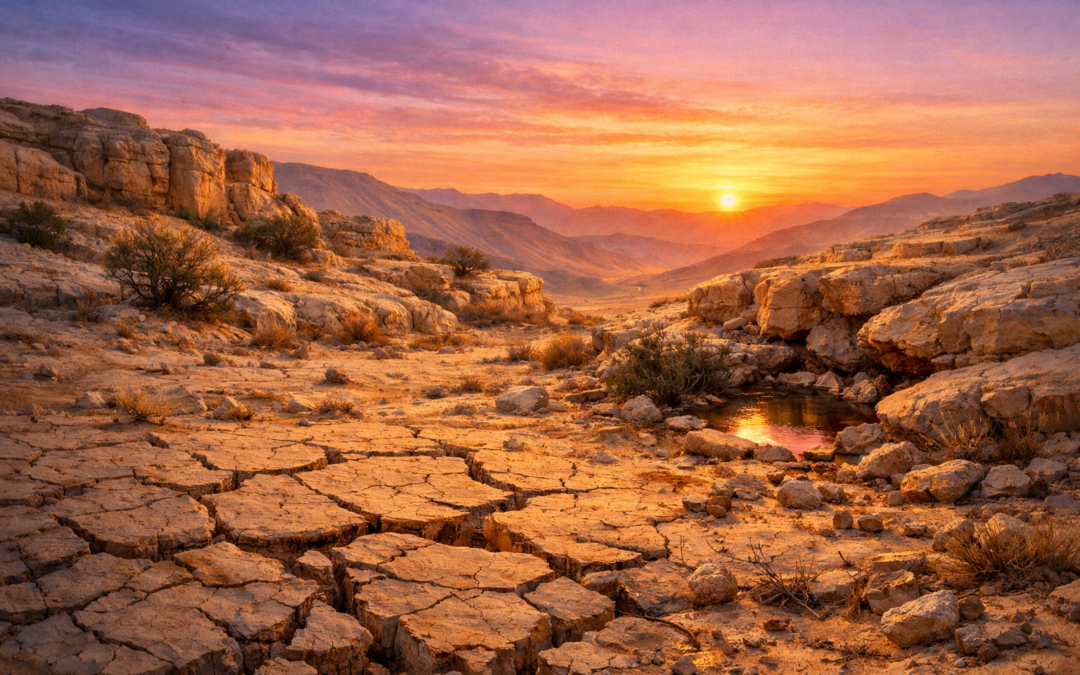
The context matters deeply. David was in “a dry and parched land where there is no water” (v. 1). This wasn’t just geographical—it was spiritual. Perhaps you know this landscape. The job that drains your soul. The relationship that’s become a desert. The season where God feels distant and your prayers seem to echo in emptiness. These “dry and weary” places reveal what we’re really thirsting for. David could have longed for relief, for comfort, for his throne back, for his enemies to be defeated. Instead, he longed for God Himself. He remembered seeing God in the sanctuary, beholding His power and glory (v. 2). True prayer isn’t primarily about getting God to change our circumstances; it’s about experiencing His presence in the midst of them. When we pray, we’re not just asking God to remove us from the wilderness—we’re seeking Him in it, remembering who He is, and finding that His presence transforms the desert into holy ground.
Here’s the radical center of David’s prayer life: “Because your love is better than life, my lips will glorify you” (v. 3). Read that again slowly. God’s steadfast love is better than life itself. Not just better than death, but better than life—better than all the good things life offers. This is the secret of prayer that doesn’t give up when God doesn’t immediately answer our requests. When you know that God’s love is the greatest treasure, prayer becomes worship even when you’re not getting what you asked for. David’s response to this recognition? Praise. He would praise God as long as he lived (v. 4). He would be “fully satisfied as with the richest of foods” (v. 5). Notice: God’s love satisfies. We live in a world of manufactured desires, where advertisers create cravings and promise satisfaction that never delivers. But God satisfies. When we come to Him in prayer, bringing our thirst, our hunger, our deep longing—He fills us. Not always with what we thought we wanted, but with Himself, which is infinitely better.
The beauty of David’s prayer life continues: “On my bed I remember you; I think of you through the watches of the night. Because you are my help, I sing in the shadow of your wings. I cling to you; your right hand upholds me” (vv. 6-8). Prayer isn’t confined to morning devotions or church services. David’s communion with God extended through sleepless nights. When anxiety kept him awake, he meditated on God. When danger threatened, he found refuge in God’s presence. The image of clinging to God while His right hand upholds us is profoundly comforting. We hold on to God, yes—but more fundamentally, He holds on to us. This is prayer’s ultimate security: we’re not maintaining our relationship with God through our grip alone. His powerful hand upholds us. Our prayers, even when weak and faltering, are heard and held by the One whose love never fails.
But we must be honest: none of us prays like this naturally. We drift toward spiritual complacency. We settle for lesser satisfactions. We forget to thirst for God because we’re too busy drinking from broken cisterns that can’t satisfy. This is where Jesus enters the story. He is the one who perfectly fulfilled this psalm. Jesus experienced literal thirst on the cross—”I thirst,” He cried (John 19:28). In His humanity, He knew physical suffering in the ultimate “dry and parched land” of God-forsakenness as He bore our sin. But even more profoundly, Jesus is the answer to our spiritual thirst. He stood in the temple and declared, “Let anyone who is thirsty come to me and drink. Whoever believes in me, as Scripture has said, rivers of living water will flow from within them” (John 7:37-38).
Jesus doesn’t just model thirsting for God—He satisfies our thirst for God. At the cross, He proved that God’s love is indeed better than life, for He laid down His life to demonstrate that love (Romans 5:8). He experienced the ultimate separation from God so that we could have unbroken access to the Father. Now, through His Spirit living in us, we can cry “Abba, Father” (Romans 8:15). The love that David said was better than life was fully revealed in Christ’s death and resurrection. When we pray, we’re not trying to earn God’s love or convince Him to care about us. We’re coming to drink freely from the well of love that’s already been opened through Christ. We’re learning to desire what He has already provided—Himself. This psalm calls us to honest self-examination about our prayer lives. Are we truly thirsting for God, or just going through religious motions? Do we seek His presence, or merely His presents—His gifts without the Giver? The path forward isn’t to manufacture spiritual desire through guilt or effort. Instead, we ask the Holy Spirit to create in us what we lack. We come honestly to God, admitting our hearts are often cold, our prayers distracted, our desires divided. And we ask Him to give us the gift of spiritual thirst—to help us want Him more than comfort, more than success, more than even life itself. As we taste His goodness, as we experience His satisfying love, our thirst for Him grows. Prayer becomes not a duty but a delight, not a discipline we dread but the life-giving water our souls crave.
Questions for Reflections
- When you pray, what are you primarily seeking from God—relief from problems, changes in circumstances, or God Himself? Be honest: if God offered to solve all your problems but remain distant from you, or offered to remain close but leave your circumstances unchanged, which would you choose, and what does that reveal about your deepest desires?
- David says God’s love is “better than life itself.” What competes with God for the throne of “best thing” in your life? What would it look like to practically demonstrate that God’s love matters more to you than your health, your relationships, your reputation, or your comfort?
- The psalm was written in a “dry and parched land.” What spiritual deserts are you walking through right now? Rather than demanding God remove you from the wilderness, have you asked Him to reveal His presence within it—to transform your desert into a meeting place with Him?
- David meditated on God “through the watches of the night” when he couldn’t sleep. When anxious thoughts keep you awake, do you turn to worry or to worship? What would it look like to practice turning nighttime wakefulness into opportunities for prayer and remembering God’s faithfulness?
Photo description and credit: Dawn breaks over the parched Judean wilderness with cracked earth and weathered stones, while a hidden spring reflects the sunrise—the soul’s thirst for God satisfied in His presence. Image created with ChatGPT.)