Nature’s Gifts
Ruth Ann Stites, Staff Writer
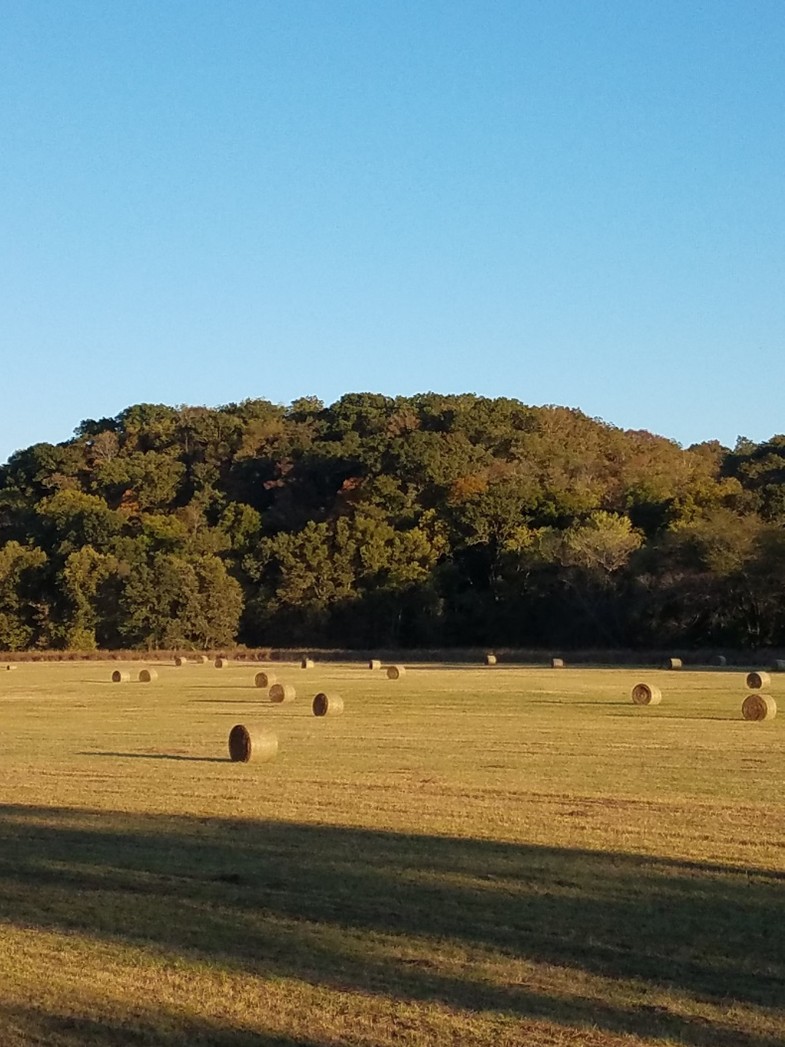 Spring is a time of promise for nature’s bounty after the chill of winter. Birds are nesting. Trees are blooming. Fresh greens are ready for harvest. And gardeners are planting as well as beginning to pick their garden’s bounty. We are reminded that our existence is based on the fruit of the earth, and even our meat sources depend on the plants that grow to sustain the cattle of our fields and the sheep of our pastures and the fish from our waters.
As Robin Wall Kimmerer put it in her book, The Service Berry: Abundance and Reciprocity in the Natural World, whether we gather our food in the wild, from a garden, or the shelves of a grocery store, we live by the gifts of the earth. We should be grateful for those gifts and the Creator of the world that provides them.
Since Old Testament days when the law was given to God’s people at Mount Sini, there have been two great feasts centering around the gifts of the earth, Shavuot (Pentecost) to coincide with the harvest of wheat in the spring and Sukkot (Feast of Booths) marking the conclusion of the harvest season in the fall. Passover, the most quintessential of Jewish holidays, is also considered a harvest festival since it falls at the time of the barley harvest as well as including the Festival of Matzah, the Feast of Unleavened Bread, implying the importance of nature’s bounty in the essence of the Jewish identity. At this great feast a Firstfruits Offering was made presenting the first harvest of grain to the Lord. In addition, there were opportunities for voluntary grain and drink (wine) offerings individuals could make to express gratitude and thanksgiving for God’s provision.(Sources)
While these ancient festivals and offerings are infrequently practiced in Christian churches, the attitudes and understanding behind them such as thanksgiving, gratitude, recognition of God’s intervention and provision for His people, and appreciation of our place in the natural world should be part of our worship both corporately and privately. When we walk down the aisles of a well-stocked grocery store, smell the sweet scent of hay on a summer afternoon drive, see a herd of cattle peacefully grazing in a pasture, or pick a tomato we have grown for ourselves, there should be, somewhere deep in our psyche, a recognition that we have been gifted by a good God with a bountiful world. Whenever we are reminded of all we have been given, may we thank Him for His provision of a world where we can thrive despite all the hazards of storm, war, and human perfidy.
One of the most compelling, but seldom if ever practiced, provisions of Moses’ law was for a Sabbatical Year and the Year of Jubilee. David L. Baker wrote in an article entitled “The Jubilee and the Millennium: Holy years in the Bible and their relevance today” first about the Sabbatical Year:
Sadly, it seems the sabbatical year was not consistently observed in OT times. Indeed Israel’s failure to keep the regulation about rest for the land is mentioned as one of the sins which resulted in their eventual exile from the promised land (see Lev. 26:34–35, 43; 2 Ch. 36:21). There is no direct evidence of its observance before the Exile, though it may have been observed in some periods, e.g. in the reign of Josiah (cf. Kaufman 1984).
Then about the Year of Jubilee:
It would appear that the jubilee year was not observed regularly in ancient Israel. However, the values enshrined in the institution were clearly important for the people. They understood land as family property, on the basis of their conviction that the land was given by the Lord God to his people.
Have you ever wondered if such attention to their stewardship of the needs of the land would have changed the fate of Israel? The same can be asked of Christians, especially those who strive to be growing, active Cross Disciples: How can we be stewards of what God has so richly given us in planet Earth? What difference does it make if we neglect doing what we can to maximize the resources of the natural world the Lord has given us? At the very least, let us remember to be appreciative and thankful for nature’s gifts.
Sources: Travelujah | Feasts of Israel -Understanding Jewish Holidays and Sacrifice in the Bible: 5 Types of Offerings Israel Made — FIRM Israel
(Photo credit: R. A. Stites, Benton County Arkansas)